The Top 5 DIY Home Repairs You Should Leave to Professionals
29 June 2025

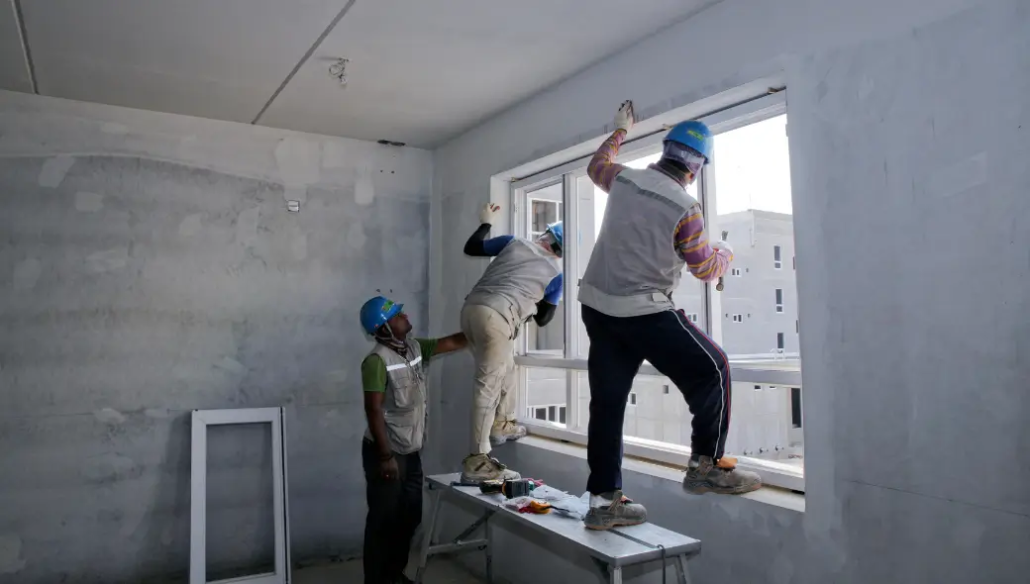
“How hard can it be?” This question arises during tough home repairs. DIY enthusiasm is widespread, but not every project should be a personal adventure. While saving money is tempting, some tasks are better handled by professionals with the right tools and expertise. Most homeowners lack the specialized knowledge for proper home damage repair, risking property and safety. For example, faulty plumbing can lead to mold and structural damage, costing more than hiring a professional initially. Small electrical issues can also become dangerous without training. Professional handymen in Australia and contractors work faster and achieve better results.
Grabbing a garden trowel and climbing onto your roof might seem like a quick weekend task. Gutter maintenance remains one of the most dangerous home repairs that homeowners try. People often don’t realize how complex and hazardous this seemingly simple job can be.
Your gutter system requires more expertise than you think. They are not just water channels but designed drainage systems needing:
A small leak can indicate larger issues. Professionals can identify problems like hidden rust, loose fasteners, or rotting fascia boards. Gutters must align and attach securely to function properly. Small installation mistakes can lead to drainage issues and serious damage over time. Repairs require special tools that most homeowners lack. DIY fixes without proper equipment often fail during heavy rain.
Safety matters most in gutter work. Professional repair services have the right training and equipment to work safely at heights.
They show up with:
Australia saw 6,131 ladder falls between 2022-2023, often during routine home maintenance like gutter cleaning. Professional crews can identify and resolve issues early, saving money on costly repairs. Additionally, they back their work with warranties, fixing any problems at no extra cost. Expert help provides access to superior materials that enhance gutter longevity and reduce repairs. Professional teams work efficiently, completing tasks that might take homeowners entire weekends quickly and correctly.
DIY gutter repairs might save money upfront but create big risks and costs later. The physical dangers should make any homeowner think twice.
Falls pose the biggest threat. Even short falls can cause:
Each year, more than 500,000 Australians need treatment for ladder injuries. Many get hurt doing basic maintenance like cleaning gutters.
Your property faces serious risks too. Bad seals at joints or seams let water leak through and damage your:
Leaky gutters create perfect conditions for pests. Standing water draws mosquitoes, termites, and carpenter ants that eventually move into your house.
Power lines near wet gutters create deadly risks that many people overlook.
The financial cost of DIY often adds up to more than professional help. Homeowners end up paying extra for:
DIY work usually cancels manufacturer warranties. Without proof of professional service, you lose protection against future damage.
Simple repairs can turn into structural nightmares fast. One homeowner lost balance and watched gutters, eaves, and roof tiles come crashing down. Their weekend project became an expensive emergency.
Professional teams check all risks before starting work. They look at access points, safety systems, and equipment needs – things most homeowners never think about.
Smart handymen know when to step back from gutter work. The mix of height risks, technical knowledge needed, and chance of costly mistakes makes gutter repairs best left to qualified professionals.
A wobbly deck railing isn’t just annoying—it’s a serious warning sign. Each year, around 6,500 people get hurt from deck collapses or rail failures alone. Building and fixing outdoor decks needs way more than simple carpentry skills to be safe.
Your deck’s safety should come first because:
Your deck will break down over time because of:
Decks take a real beating. They need to hold up lots of weight while dealing with tough weather. Small problems can quickly turn into big safety issues.
You might think rotting posts or missing blocking aren’t a big deal. These issues usually point to serious damage that makes the whole deck unsafe.
The deck’s safety gets even worse with code violations. Almost half of all decks aren’t built up to proper safety standards, making them risky no matter how good they look.
Professional deck builders give you several key benefits:
These experts know all about:
Hiring pros often saves money in the long run. Small DIY mistakes usually lead to big, pricey fixes later.
Professional deck builders also:
You get more than just good construction. Pros share creative design ideas, add features like built-in benches and lights, and create detailed plans that make building smooth.
Since decks see heavy traffic and wear out fast, professional installation that puts safety first becomes crucial.
DIY fans usually make these big mistakes:
These errors lead to serious problems:
Water damage tops the list of common problems. Many DIYers skip key waterproofing steps by:
Structure problems also come from:
Rails create another dangerous situation. DIY builders often put in rails that can’t handle the 2,000+ pounds of force that building codes require.
A weekend project often turns into an expensive pro repair job. Many homeowners end up paying contractors to fix DIY mistakes, which costs more than hiring pros from the start.
DIYers also underestimate maintenance needs. Without yearly pro check-ups, small issues grow into big structural problems. Experts say even well-built decks need yearly checks of posts, connections, ledger boards, and flashing to stay safe.
Note that a deck isn’t just for looks—it’s part of your home’s structure and needs professional know-how to stay safe and last long.
Your roof is your home’s most vital protective shield. Many homeowners think roof repairs are simple weekend projects. The reality? These are dangerous home repairs that need expert handling.
Even experienced DIYers struggle with roof repairs because:
The roof type plays a big role in how complex repairs get:
What looks like a quick fix often hides problems that untrained eyes miss. Bad substrates, wrong flashing, and weak spots need a pro to check them out.
Older roofs bring their own headaches. Roofing materials get more fragile and break easier as they age.
Professional roofers bring key benefits when fixing home damage:
Roof experts catch problems that regular contractors might miss:
Good workmanship might cost more upfront but saves money later. Professional roofers make sure repairs meet the highest standards to keep your home safe.
Roofing comes with dangerous situations that need special training:
Professional roof restoration helps your roof last longer. Pros know the right way to clean, fix, and recoat – skills most DIYers don’t have.
DIY roof repairs put homeowners at serious risk:
Jobs like roof pointing take pros years to master. A homeowner might spend five times longer and still do it wrong.
DIYers often make these mistakes:
The money side of DIY roof work can hurt too:
DIY roof work can weaken your house. Without a pro checking, you might miss:
Insurance is another big risk. Many policies won’t cover damage if unlicensed people did the roof work.
People think DIY roof repairs save cash, but they usually cost more in the long run. Pros finish jobs quickly with the right materials. DIYers make lots of store trips and buy cheaper products.
Working near electrical wires adds more danger. Without proper training, you could get electrocuted around wiring or solar panels. Pros know how to work safely around these hazards.
The mix of height risks, technical challenges, and possible costly mistakes makes roof repairs a job for professionals. Hiring qualified contractors protects both your safety and your wallet.
Fence security seems simple enough until you’re standing in your yard with a post-hole digger, wondering where those utility lines might be. Many homeowners think fence projects are perfect weekend tasks. The reality? Fencing repairs are some of the most dangerous and misunderstood home repairs out there.
DIY fence work often leads to physical injuries:
You could face life-threatening situations near utility lines. Digging without knowing what’s underground often causes accidents. Hitting a utility line could mean:
Bad weather makes everything riskier. Poor visibility increases your chances of accidents. You need good lighting to see what you’re doing during any fence repair project.
The right safety gear is a vital part of preventing injuries. You’ll need:
Regular fences can be dangerous too. You need the right equipment and know-how to work on ladders or frameworks. Falls are a big risk, especially when you’re fixing tall fences or working on bumpy ground.
Professional fence contractors give you specialized knowledge that saves money and time. They spot problems that untrained eyes miss—issues that could cause bigger damage later.
Fence pros know all about following local rules:
This knowledge helps avoid expensive mistakes and potential fines. Professional contractors meet all legal requirements while making your property look better.
Experts bring their own tools and safety equipment. Their specialized gear helps them:
Money savings become clear pretty fast. Professional installation might cost more upfront but saves money by:
Your property value gets a boost too. A well-built fence increases security and looks great. A poorly installed one hurts your property value and turns off potential buyers.
Years of experience help professionals suggest the best fence types. They recommend options that work best for your property and goals.
Unstable structure tops the list of DIY fence repair risks. Without proper training, homeowners build fences that:
Money problems pile up quickly. DIY fence repairs might look cheaper at first but lead to:
Safety risks are real and serious. DIY fence repairs can cause:
Fighting with neighbors happens too. Without professional help, you might put your fence in the wrong spot. This leads to:
Hidden costs keep showing up after installation. Bad fence repairs hurt your property value through:
Time becomes a big factor. Pros finish in days what takes homeowners weeks. DIY projects eat up free time you could spend better elsewhere.
Following rules creates more problems. Professional fence companies understand local codes. They make sure fences meet all requirements and prevent legal issues.
Picking the wrong materials makes fences fall apart faster. Without knowing what works in your climate, DIY fences need replacement sooner. Long-term costs go way up.
Insurance problems might pop up from DIY fence work. Bad installation could void your home insurance. This leaves you paying for any problems yourself.
Emergency repairs present another challenge. Sudden fence damage after storms needs quick decisions about getting professional help.
Professional work comes with warranties. This protection means contractors fix any problems without charging more. DIY repairs leave you paying for future issues.
Fence installation and repairs involve more risk and complexity than most people think. Safety hazards, technical requirements, and potential costly mistakes make this job perfect for qualified professionals.
A fresh coat of paint looks like the simplest home improvement project. Yet this seemingly simple task comes with many hidden challenges. Professional painters handle the technical aspects and health risks better than homeowners who try to do it themselves.
The foundation of a good paint job lies in surface preparation. Many DIY enthusiasts skip this vital step, which leads to:
Surface preparation remains the most overlooked part of painting projects. Premium paints won’t stick properly without a clean, sanded, and patched surface.
Material selection is another big challenge. Cheap paint ends up costing more in supplies and labor than quality options. Lower quality paints have less pigment and binder, so you’ll need several coats for good coverage.
Weather conditions play a huge role in painting success. Extreme temperatures and high humidity prevent paint from drying correctly. This creates uneven finishes that deteriorate early.
Water damage causes ongoing issues that untrained people often miss. Spots with darker or faded colors usually point to water problems that need a full picture right away.
Picking colors is trickier than most people think. Room lighting changes how colors look dramatically. Small paint swatches aren’t enough to make good decisions.
Professional painters know much more than simple application methods. They understand how to prep surfaces by cleaning, sanding, and priming—steps that help paint stick and last longer.
Professionals save you time. They complete jobs efficiently while maintaining high standards. Homeowners might spend entire weekends on tasks professionals finish quickly.
Expert painters are a great way to get advice throughout the project. They help choose colors and finishes while thinking over practical things like lighting and how rooms are used.
Safety comes first in professional painting. Trained painters know how to handle chemicals and materials that can be dangerous.
Better materials give professionals an edge. They can get higher-quality paints than what’s sold to consumers. This means your paint job lasts longer.
Professional painting saves money over time. DIY mistakes often lead to:
Best of all, reliable painting companies back their work with warranties. You won’t pay extra if something goes wrong after they finish.
Health dangers top the list of DIY painting concerns. Paint chemicals can be risky:
Modern paints worry experts too. VOCs keep releasing into your home’s air for years. These chemicals can cause breathing problems and are linked to certain cancers.
Safety risks go beyond chemical exposure. DIY painting often results in:
Ladder accidents happen way too often when people paint without proper training or equipment.
Bad painting techniques make paint wear out early. Common DIY mistakes include:
DIY paint jobs face long-term appearance problems too. Without professional skills, you’ll often see:
DIY painting costs more than initial savings suggest. Once you add up tools, wasted materials, and fixing mistakes, professional painting becomes the better deal.
Warranty issues create another hidden risk. Paint makers won’t honor warranties unless their instructions are followed exactly—something professionals understand well.
The simple weekend project you planned can turn into weeks of frustration with poor results and health risks. Quality, safety, and peace of mind make painting one job that qualified professionals should handle.
| Repair Type | Main Safety Concerns | Professional Advantages | Common DIY Mistakes | Cost Implications | Required Expertise/Equipment |
| Gutter Repair & Cleaning | • Fall hazards from ladders • Electrical hazards near power lines • Risk of head/neck injuries |
• Proper safety equipment • Quality material access • Work warranties • Quick completion |
• Poor sealing • Wrong gutter line up • Quick fixes that don’t last |
Higher costs over time from: • Multiple store trips • Fixing DIY errors |
• Commercial-grade ladders • Safety harnesses • Specialized cleaning tools |
| Deck Install & Repairs | • Structure could collapse • Weight balance issues • Unsafe railings |
• Building code knowledge • Structure expertise • Wholesale materials |
• Wrong beam placement • Poor fastener choice • Bad waterproofing |
• Several fix attempts • Professional fixes get pricey |
• Specialized hardware • Load requirement knowledge • Professional-grade tools |
| Roof Repairs | • Fall risks • Weather dangers • Electrical hazards |
• Expert knowledge • Safety equipment • Quality materials |
• Missed leaks • Wrong materials • Poor waterproofing |
• Tool costs add up • Wasted materials • Insurance problems |
• Safety harnesses • Framework • Technical roofing expertise |
| Fencing Install | • Hitting utility lines • Tool injuries • Heavy lifting risks |
• Code knowledge • Property line expertise • Right equipment |
• Wrong property line setup • Bad post install • Wrong materials |
• Multiple fixes needed • Property disputes • Legal issues |
• Post-hole equipment • Utility location knowledge • Professional tools |
| Painting Work | • Chemical exposure (VOCs) • Ladder accidents • Breathing risks |
• Quality paint access • Surface prep skills • Work warranties |
• Bad surface prep • Wrong application • Poor paint choice |
• Extra coats needed • Wasted materials • Health costs |
• Professional-grade equipment • Chemical safety knowledge • Surface prep expertise |
DIY projects can be tempting, but some repairs require professional expertise. This piece highlights five dangerous tasks best left to skilled professionals due to serious safety concerns. Risks include falls from heights, electrical hazards, and structural issues. Professionals have the right equipment and training to manage these safely, often making it more cost-effective.
DIY mistakes can lead to:
The quality and longevity of repairs matter. Professional work offers: •
Need a qualified handyman? Call us at +61401923333 for home repairs and maintenance. We provide direct service, no middlemen, and guaranteed quality. While small projects are worthwhile, recognizing our limits is crucial. Gutters, decks, roofs, fences, and painting have hidden challenges best handled by specialists. Your safety is paramount. Although saving money upfront is appealing, the potential risks to your wallet and health make professional help the smarter choice for these five essential home repairs.
Q1. What are some common DIY home repairs that are safe for homeowners to tackle?
Simple tasks like fixing squeaky doors, patching small drywall holes, unclogging toilets, and painting interior walls are generally safe for DIY enthusiasts. However, more complex repairs involving electrical, plumbing, or structural work are best left to professionals.
Q2. Which home improvements tend to offer the best return on investment?
Kitchen and bathroom renovations typically provide the highest return on investment. Other valuable improvements include adding a new bathroom, upgrading the master suite, and completing energy-efficient upgrades. However, the exact return can vary based on your local market and the quality of work.
Q3. What are some of the most frequent home repairs homeowners encounter?
Common home repairs often involve HVAC systems, plumbing issues, electrical problems, and addressing water or termite damage. Regular maintenance, like cleaning gutters, can help prevent some of these issues and keep repair costs down.
Q4. How can homeowners manage the stress of pending home repairs?
To reduce anxiety about home repairs, prioritize tasks based on urgency and importance. Focus on addressing one issue at a time rather than becoming overwhelmed by the entire list. This approach helps make the process more manageable and less stressful.
Q5. Why should certain home repairs be left to professionals?
Some repairs, like those involving roofing, electrical work, or structural changes, require specialized knowledge and equipment to be done safely and correctly. Professionals bring expertise that ensures the job is done right, complies with local codes, and often comes with warranties. DIY attempts at these complex repairs can lead to safety hazards, costly mistakes, and potential legal issues.

Services
Copyright © 2025 Get Handyman. All rights reserved