Smoke Alarm Installation Services in Melbourne
14 October 2025

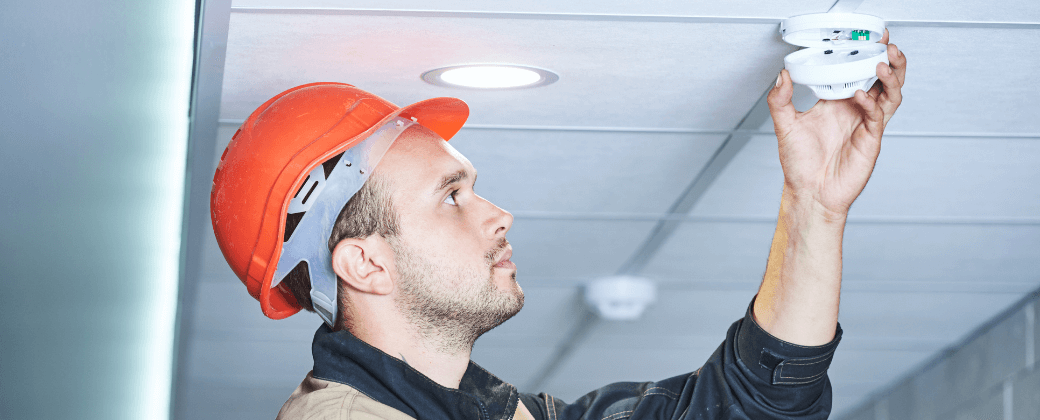
Did you know smoke alarms should be replaced every ten years to ensure reliability? In Melbourne, where safety is paramount, having a robust smoke alarm system isn’t just recommended—it’s essential and mandated by law.
Furthermore, all residential properties in the ACT must have working smoke alarms installed to comply with fire safety regulations. Not having properly installed or functioning smoke alarms puts your family at serious risk and violates local safety requirements. Accordingly, smoke alarms need to be installed on each level of your home, particularly outside sleeping areas and along pathways to exits.
This guide will walk you through everything you need to know about smoke alarm installation in Melbourne, including best placement practices, types of alarms available, common installation mistakes, and why professional installation ensures your system is tailored to your home’s specific layout while meeting all safety standards.
Proper smoke alarm placement is the difference between early detection and potential tragedy during a fire emergency. The ideal position for smoke alarms is on the ceiling between sleeping and living areas. This strategic placement ensures that alarms can effectively alert sleeping residents when smoke is detected.
For optimal safety, experts recommend installing smoke alarms in every bedroom and living area. At minimum, you should install one smoke alarm on each level of your home. Additionally, if a bedroom area or hallway exceeds 9 meters in length, install alarms at both ends for complete coverage.
When considering placement, remember these critical guidelines:
Ceiling mounting is generally preferred for most residential properties. When installing on ceilings, position alarms in the center of the room, at least 30cm away from any walls or corners. For wall mounting, place alarms between 30-50cm from the ceiling to ensure optimal smoke detection.
Remember that smoke rises, so ceiling installations typically provide earlier detection. However, in mobile homes, wall mounting on inside partitions may be preferable to avoid thermal barriers that can form on ceilings.
Poor placement is the primary cause of nuisance alarms that eventually lead many homeowners to disconnect their smoke alarms – creating a dangerous situation. Essentially, you should avoid installing alarms:
Kitchens and bathrooms are particularly problematic – steam from showers and cooking fumes frequently trigger false alarms. Consequently, place kitchen alarms at least 3 meters from cooking appliances.
Professional installers bring specialized knowledge of fire safety standards and local building codes to ensure your system meets all requirements. They conduct thorough assessments of your property’s layout to determine strategic alarm placement based on airflow patterns and potential hazards.
Moreover, certified electricians can properly interconnect your alarms so when one detects smoke, all alarms sound simultaneously – critical for multi-level homes or properties with separate sleeping areas. Additionally, they ensure proper wiring and connections, eliminating technical issues that could compromise safety.
Professional installation also provides documentation that proves compliance with Australian Standards (AS 3786-2014), which can be invaluable for insurance purposes.
Choosing the right smoke alarm technology can mean the difference between life and death in a fire emergency. Understanding how different types work is crucial for comprehensive home protection.
Photoelectric smoke alarms use a light beam and sensor to detect smoke particles. When smoke enters the chamber, it scatters light onto the sensor, triggering the alarm. These alarms excel at detecting slow-burning, smoldering fires—the most common type in residential settings.
In contrast, ionization alarms contain a small amount of radioactive material (Americium-241) that creates an electrical current. Smoke disrupts this current, activating the alarm. These devices react quickly to fast-flaming fires but may respond slower to smoldering fires.
Fire authorities often recommend photoelectric alarms because they detect smoldering fires significantly faster—typically within 3-5 minutes compared to up to 20 minutes for ionization alarms. Notably, photoelectric alarms are less prone to false alarms from cooking fumes or steam.
Dual-sensor smoke alarms combine both technologies in one unit, offering comprehensive protection against different fire types. These alarms provide early warning regardless of whether a fire is fast-flaming or slow-smoldering.
Despite being slightly more expensive—approximately AUD 45.87 compared to AUD 7.64 for ionization and AUD 30.58 for photoelectric alarms—dual-sensor models minimize the chances of missing either type of fire.
For optimal protection, install photoelectric smoke alarms in bedrooms, hallways, and living areas where smoldering fires are more likely. These locations typically involve upholstery and electrical equipment that tend to smolder before flaming.
Ionization alarms work better in garages, workshops, or areas where fast-flaming fires might occur. Nevertheless, many fire authorities now recommend photoelectric alarms throughout the home.
First, consider what’s already installed. If you have ionization alarms, add at least one photoelectric alarm on each level. Second, replace any alarm older than ten years. Finally, interconnected alarms offer the best protection as they all sound when one detects smoke.
The risk of dying in a home fire doubles without a working smoke alarm. Although many homeowners install alarms with good intentions, improper installation creates dangerous blind spots in your home’s safety system.
Homeowners often place smoke alarms too close to kitchens or bathrooms, triggering false alarms that lead many to disable their devices—a potentially fatal decision. Equally problematic is positioning alarms near ceiling fans or air vents, as these disrupt airflow patterns and prevent smoke detection. As a matter of fact, many DIY installations result in missed interconnection opportunities between alarms, leaving parts of your home unprotected.
Failing to comply with smoke alarm regulations in Melbourne isn’t just dangerous—it’s illegal. Non-compliance can result in substantial fines, penalties, and even voided home insurance claims. For landlords, ignoring these requirements opens you up to potential action from tenants for breach of tenancy agreements. In the event of a fire, this negligence could lead to both property damage and legal liability.
Studies show that in homes without working smoke alarms, emergency detection rates plummet to just 4% of fires. Even more concerning, interconnected alarms alert occupants in 26% of fires, whereas non-interconnected systems alert people in only 2% of cases. Alongside this, modern furnishings and synthetic materials cause fires to reach dangerous levels much faster than in older homes, making early detection increasingly critical.
When it comes to protecting your home, trust only certified experts with your smoke alarm installations. Our team brings over 10 years of specialized experience to every installation job, ensuring your family’s safety is never compromised.
What truly sets us apart is our comprehensive approach to smoke alarm installation. Rather than simply mounting devices, we assess your entire home’s layout to determine optimal alarm locations—keeping them away from air conditioners, fans, and heaters that could affect performance.
We stock only the highest quality smoke detectors that meet Australian Standard AS 3786-1993 and have Scientific Services Laboratory certification. These premium alarms include both photoelectric and ionization options to suit your specific needs.
As licensed electricians, we specialize in hardwiring smoke alarms to your central power—the safest option for your family and business. This approach provides constant power and allows for interconnection, ensuring all units sound simultaneously during an emergency.
Our services include:
The smallest installation error can result in life-threatening situations. Indeed, our professional installations comply with all local building codes and fire safety regulations, potentially saving you from fines of up to AUD 7644.95 for non-compliance.
Ultimately, with over 2,000 households served, our proven track record makes us Melbourne’s trusted choice for smoke alarm installations.
Call Us for Smoke Alarm Installation Services: +61401923333
Conclusion
Smoke alarms serve as your first line of defense against potentially devastating house fires. Throughout this guide, we’ve highlighted the critical importance of properly installed, functioning smoke alarms in Melbourne homes. Fire safety regulations in the ACT exist for good reason – they save lives.
Proper placement makes all the difference when it comes to early detection. Accordingly, installing alarms between sleeping areas and the rest of your home ensures you’ll be alerted quickly during an emergency. Additionally, choosing the right type of alarm for each area enhances your protection – photoelectric alarms for bedrooms and living spaces, while dual-sensor options provide comprehensive coverage.
Though DIY installation might seem tempting, the risks are simply too high. Essentially, professional installation eliminates dangerous blind spots, ensures compliance with regulations, and provides documented proof for insurance purposes. False alarms and improper placement not only create frustration but can lead to disconnected devices when you need them most.
Your family’s safety deserves nothing less than expert installation. A professional service brings specialized knowledge, proper interconnection capabilities, and adherence to all Australian Standards. This small investment provides peace of mind and potentially life-saving protection for years to come.
Remember that smoke alarms require replacement every ten years. Mark replacement dates on your calendar and schedule regular testing to ensure these critical devices remain ready when you need them most. After all, when it comes to fire safety, thorough preparation and professional installation aren’t just conveniences – they’re necessities.
FAQs
The cost of smoke alarm installation can vary depending on factors such as the type of alarm and complexity of the system. While exact prices may differ, professional installation typically ranges from $150 to $250 per alarm. It’s best to get a quote from a licensed electrician for an accurate estimate.
While some fire departments in other regions offer free installation of battery-operated smoke alarms, this service may not be widely available in Melbourne. It’s recommended to check with local fire authorities or community organizations for any potential assistance programs.
Yes, it’s highly recommended to have a qualified electrician install your smoke alarms, especially for mains-powered systems. Professional installation ensures compliance with local regulations, proper placement, and correct wiring, which are crucial for the alarms’ effectiveness and your safety.
Hardwired smoke detectors offer several advantages. They’re connected to your home’s electrical system with battery backup, reducing the risk of failure due to dead batteries. They can also be interconnected, meaning when one alarm detects smoke, all alarms in the house will sound, providing earlier warning in case of fire.
Smoke alarms should be replaced every 10 years, regardless of their apparent condition. This ensures that you have the most up-to-date and reliable fire detection technology protecting your home. It’s important to keep track of installation dates and schedule replacements accordingly.

Services
Copyright © 2025 Get Handyman. All rights reserved